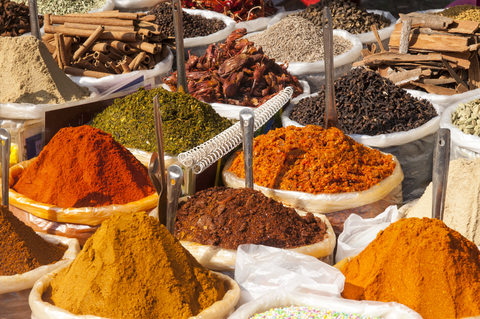
The Simple Truth About Vegetarian Nutrition

When it comes to ideas about vegetarian diets, people seem to fall into one of two camps. One group believes a vegetarian diet is the healthiest diet on the planet. The other warns vegetarians about all the important nutrients they’re missing. (I was once warned I was not getting enough vitamins in my diet because I don’t eat meat.)

A vegetarian diet, like any other diet, can be balanced or unbalanced. There are nutrients that vegetarians need to pay extra attention to because they are not easily to obtain from plant-based foods.

Vegans (those who don’t eat animal products of any kind), not vegetarians who eat dairy and eggs, are more likely to be at risk for nutrient deficiencies.

The best things in life are not easy, so let’s take a closer look at some potential pitfalls to avoid when considering vegetarian nutrition.

Calcium

Most people think of dairy products as the best sources of calcium, but there are plenty of plant-based sources of calcium for vegans. Dark leafy greens (including broccoli), tofu that is processed with calcium sulfate, and other fortified vegan foods, such as soy milk, are examples. There is also calcium in blackstrap molasses and almonds.

One word of caution, though, if you rely on greens for calcium: a compound known as oxalic acid in some veggies can interfere with calcium absorption. Spinach, rhubarb, and chard contain a lot of oxalic acid, so it may be better to rely on greens like broccoli and collards for calcium instead.

Iron

Iron is perhaps the mineral most associated with meat. But vegans can find good sources of iron in beans and dark leafy greens. (Are you getting the idea that those dark leafy greens are awesome?)

There are two types of iron, heme and non-heme. Non-heme iron is the iron we get from plant sources, and while it’s not absorbed as easily as heme iron, iron deficiency anemia is no more common in vegans than it is in carnivores.

One trick is to include foods rich in vitamin C with your beans and greens, because vitamin C helps the body absorb iron. There are even some foods that are rich in both iron and vitamin C, such as broccoli and bok choy. Or try some vitamin-C-rich tomato sauce with your beans. (Here’s a great recipe.)

Protein 

Most meat-eaters consume a lot more protein than they need. Maybe this is why they’re so concerned that vegetarians don’t get enough. Don’t get me wrong; protein is important. If you’re a vegan, you’ll need to be sure to combine foods correctly because few plant foods are complete sources of protein (“complete” proteins contain all of the essential amino acids).

Soy and quinoa are among the few complete plant-based proteins, but there are other options as well. Combine rice with beans or nut butters with whole grain bread and you’ll have all the essential amino acids in one place. For most vegans, eating a variety of nuts, seeds and legumes is sufficient for meeting protein needs.

So if you’re concerned that you don’t know enough about vegetarian nutrition to be healthy, start here. Then continue to read and learn more. You’ll probably come to a simple conclusion before long; if planned well, the benefits of vegetarian nutrition outweigh those other kinds of diets!
Essential Oils for Your Drinking Water

oils for water

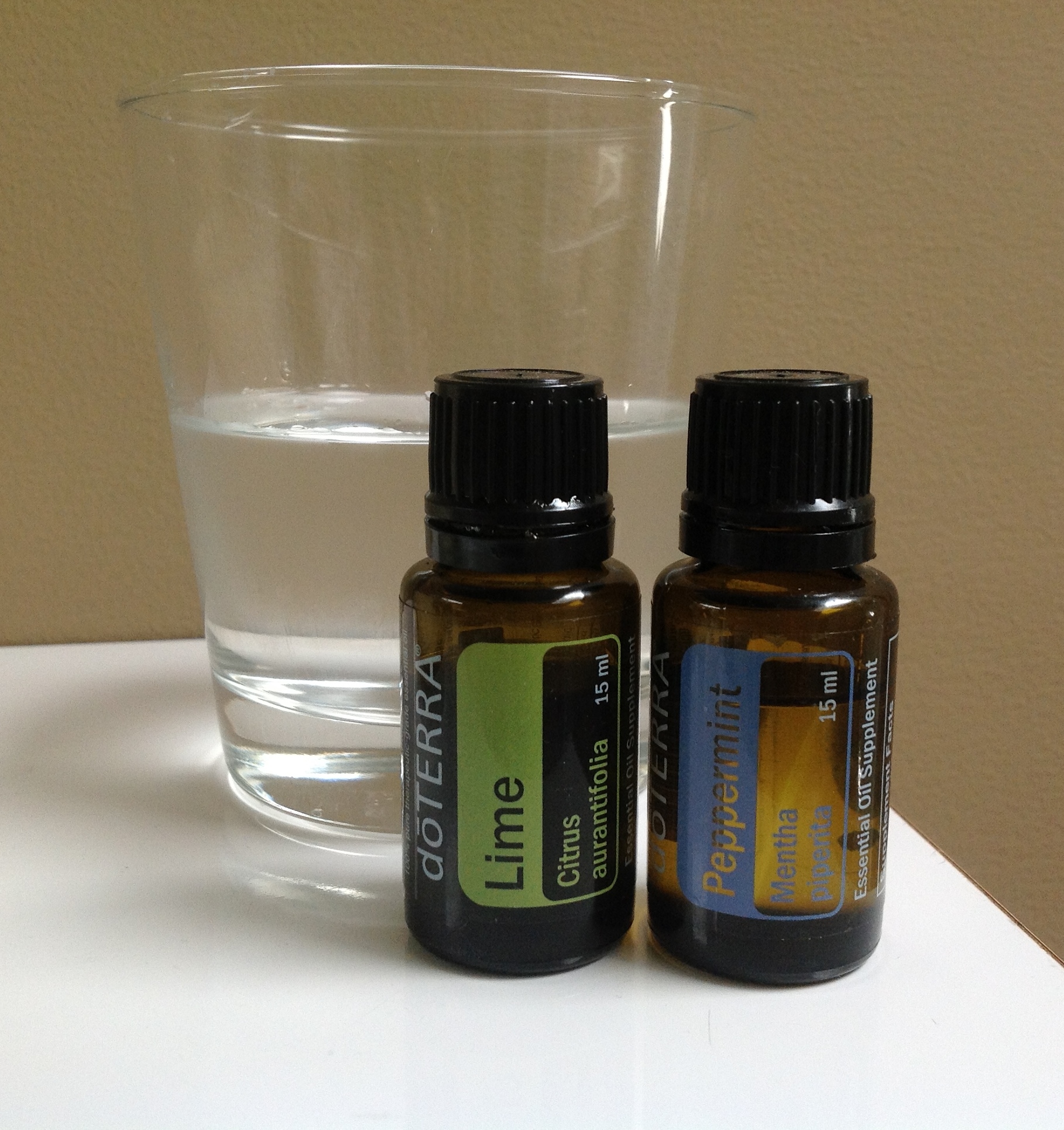
Recently, a knowledgeable essential oil practitioner recommended a refreshing way to drink water. It’s simple: add a drop of peppermint essential oil and a drop of lemon essential oil to a full glass and enjoy.

Before I read this tip, I hadn’t found a blend of essential oils I liked in my drinking water, but I tried this, loved it, and have been drinking it ever since. If you’ve been looking for a refreshing way to drink water, this might be the blend for you too!

Since I didn’t have any lemon essential oil the first time I tried the blend, I used lime instead. Whether you use lime or lemon, the combination of citrus and peppermint really hits the spot! It’s not only refreshing but it’s also energizing, and you’ll feel the effects for quite a while after you drink it!

Beyond the great taste, you’ll get some wonderful health benefits from both the peppermint and the lemon (or lime).

Peppermint Essential Oil Benefits

Peppermint oil is great for digestion and for headaches. If you’re prone to tension headaches, you may know that drinking water and staying hydrated will help. Adding a few drops of peppermint oil to your water will help even more!

Peppermint’s digestive benefits go beyond calming an upset stomach. It will also help curb your appetite, especially when combined with lime, lemon or other citrus oils. So if you’re trying to lose weight or if you want to keep your stomach from grumbling in between meals, carrying a water bottle with this tasty combination of peppermint and citrus will keep you hydrated and happy all day!

Lemon Essential Oil Benefits

Lemon and other citrus essential oils are excellent natural detoxifiers. This is one reason you’ll often see lemons or limes in drinking water, and holistic health care providers often recommended drinking water with lemon or lime every day.

Lemon is also great for colds, flu and respiratory problems, so drinking water with a few drops of lemon essential oil will help you breathe better if you’re experiencing any kind of respiratory issue. Lemon essential oil will also boost your immune system and help you recover from any kind of infection faster.

How to choose Essential Oils for your Drinking Water

The most important thing to keep in mind when choosing essential oils for drinking water is that the oils you choose are pure, therapeutic grade and suitable for internal use.

If you’re not sure about the quality of an oil, check with the company that makes it and ask if it’s safe for internal use. Oils vary in quality, so you’ll want to be sure to choose a product that is not only safe to use internally but is tasty as well.

Ylang Ylang Essential Oil Benefits for Calming Mind and Body

ylang ylang flowers
ylang ylang flowers

In a recent post about natural ways to get a good night’s sleep, I mentioned ylang ylang essential oil. I’ve been diffusing this oil every night lately, and I’ve noticed I sleep better when I do. In fact, ylang ylang is quickly become one of my favorite oils for any situation that requires calm!

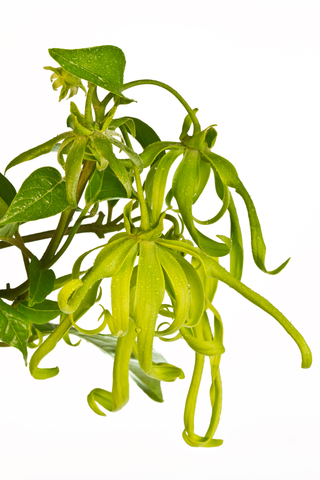
Ylang ylang is a fascinating gift of nature. The oil is steam distilled from the flowers of the ylang ylang tree, which is native to rain forest climates. The sight of the tree itself will make you feel calm and relaxed. It has small unusually-shaped flowers that blend beautifully with the leaves of the tree. The flowers have a very sweet, almost fruity floral scent.

Ylang Ylang Distillation

When ylang ylang essential oil is produced, the flowers are distilled in three steps. That’s why you might notice your bottle of ylang ylang essential oil has a Roman numeral following the name. An oil labeled “ylang ylang I” is the result of only the first distillation of the flowers. The most effective type of ylang ylang is labeled “ylang ylang complete,” which means it contains oil from all three distillations.

Ylang Ylang Benefits

Ylang ylang essential oil is used in aromatherapy for its soothing and relaxing qualities. It helps to calm the nervous system, so it’s excellent as a remedy for insomnia. It’s also a good choice when you’re anxious, angry or stressed. The uplifting aroma of ylang ylang can help lift a low mood in people with depression. Likewise, it can boost libido, making it effective as an aphrodisiac. The oil’s relaxing properties may also help lower blood pressure.

For those interested in chakra balancing, ylang ylang essential oil is a good tonic for the third (solar plexus) chakra. This makes sense, since the third chakra is our center of creativity and personal power, qualities that shine when we’re not tense, anxious or depressed.

Blending ylang ylang

If you have an essential oil blend intended for any kind of calming effect, check the label. It’s likely that ylang ylang is included in the mix. Ylang ylang blends well with cedarwood, bergamot, lavender and grapefruit.

So if you’ve never heard of ylang ylang, or if you just haven’t tried it yet, be look for it next time you need an essential oil to help you relax!

Ayurvedic Spices to Balance Vata Dosha

Until recently, I used few herbs or spices other than the basics I grew up with (salt, pepper, and, like every good Italian, basil and oregano). I had no idea what I was missing!

Now that I’m learning more about the benefits of spices for health (and for making food tastier), I have many favorites (basil and oregano still among them). I also love a blend of vata-balancing Ayurvedic spices I now use every time I make a salad. It’s a mix of cardamom, cumin, ginger, cinnamon, nutmeg, asafetida, and salt.

According to Ayurveda, a balanced diet should consist of foods that contain all six tastes (sweet, sour, salty, pungent, bitter and astringent). A few years ago, I found a product called Organic Surya Spice Blend from the Chopra Center. The blend contains the six tastes I listed above.

Balancing Vata Dosha

If you’re not familiar with the doshas, here’s a quick overview. In Ayurvedic (Indian) medicine, each person has a unique constitution that is one (or in some cases a combination) of three types, called doshas. The three doshas are vata, pitta and kapha.

Since my dosha is vata, the spices for balancing vata became a staple in my kitchen right away. It’s delicious in salads (also in soups, as an ingredient in dips, and for seasoning fish), but beyond that, the properties of each spice have unique health benefits for vata types.

Balancing vata energy is especially important now that it’s “Vata season” (autumn). Vata is an airy, spacey kind of energy, so these grounding spices are especially beneficial.

Spices for Vata Dosha

Here’s a rundown of each ingredient in the vata dosha spice blend.

Asafetida, the one ingredient on this list you may not have heard of before, is so-named for its strong odor. It also has the nickname “devil’s dung.” Sound good so far? I didn’t think so either until I learned more about it. This sour herb is great for the digestive system, and it also reduces inflammation throughout the body.

Cardamom is a warm spice from India. Those with a vata constitution do well with warmer foods and can also benefit from cardamom’s cleansing and detoxifying properties. It’s a peppery spice classified as bitter, though it has a very pleasant taste. Cardamom is one of the ingredients in curry.

Cinnamon is another warming spice, and it’s one of my favorites. Since vata people (among others) do better avoiding sugar, the sweetness of cinnamon is a great substitute.

Cumin, a favorite among Indian cooks, is a bitter spice with strong antibacterial properties. It’s also another spice that can help balance the digestive system.

Ginger, the astringent in the mix, is great for the digestive troubles that vata people often experience. It’s also known to be an uplifting spice (maybe that’s why it’s used to make those yummy holiday cookies).

Nutmeg is often found alongside ginger and cinnamon in recipes that hint of the warmth of autumn evenings by the fire. This spice adds a pungent flavor to the blend.

Salt may not seem like a healing spice, but when blended properly among the other tastes, it adds just the right balance and helps bring out the flavors of the other spices.

The flavors in this blend really do come together nicely. So, if you’re intrigued by the idea of using more spices to add flavor and health benefits to your food but you don’t know where to start, try a blend like this. There are also blends available for the other two doshas. You can find them all in the Chopra Center store, or you can buy the individual spices and experiment with combining them yourself!

Bad Foods: Why Some Foods Probably Should Not Be Part of Your Diet

Many people follow diets that do not allow this or that kind of food. Some avoid gluten, while others forego meat. For others, refined carbohydrates are bad foods.

Conversely, many people eat whatever they want. Many of these people use catchphrases like, “There are no bad foods.” You might also hear things like “all things in moderation” from those who do not believe there are bad foods. So, what’s the truth?

Are There Bad Foods?

After more than twenty years of studying nutrition, I understand the limitations of restrictive diets. I understand why some people say there are no bad foods. But my belief is there are bad foods. What I mean to say is there are foods that are not good for you!

I can’t give you a list of those foods. That’s because what is not good for you depends on your uniqueness. We’re not all the same physically, emotionally, or biochemically. So a food that does no harm to one person might harm another.

Worse, in the case of some allergies, eating a certain food could be deadly. For an obvious example, consider nuts. They are healthy for many people. For those with severe nut allergies, eating nuts can have catastrophic consequences.

A Better Definition of Good and Bad Food

In a sense, I agree there are no bad foods, but I agree with a caveat. My definition of food may be narrower than most. To me, food is a substance that is nourishing. To understand what I’m getting at, think beyond what you eat and consider a phrase like food for the soul.

The idea of nourishment is simple. A food is not nourishing because it tastes good or because it’s filling or because everyone else at the party is eating it. It’s nourishing because it is good for you. Something positive happens to your health when you eat it. 

If I have a nut allergy, a nut is not food to me. If I’m diabetic, perhaps I shouldn’t think of sugar as food. If my gut goes haywire when I eat wheat…you get the picture!

Food for Overall Well-being

I have not eaten red meat or poultry in decades. I wrote about why in another post. At this point, if I were to eat a single hamburger, I doubt anything “bad” would happen to my body. But for me (maybe just me), something negative would happen to my spirit.

Based on what I’ve learned about factory farming and how it abuses animals and the environment, eating meat from a grain-fed cow slaughtered in a factory would not be a nourishing experience to me. If I thought my body needed meat for physical health (I don’t), humanely raised grass-fed beef might be an option. This is one personal dietary choice. There are many others. I’m sure you have your own.

Everyone is Different

The truth about food as I see it is no one diet is appropriate for everyone. But to make choices about food, we must know how our bodies use it. We must also know how it is produced.

I remember an excellent article by a naturopathic physician who took the idea of bad foods to task. In the article, she stated she eats “anything she wants.” What she didn’t really get into, though, is that her passion for health and her education about food give her the incentive to make choices that are good for her.

There are certainly people who believe feeding a child a hot dog on a white-bread bun and a soda for lunch every day is healthy. I’m fairly confident it’s not.

The One Question to Ask About Food

If you’ve found a way of eating that works for you, chances are you had different beliefs before you found that diet. And you may change your ideas about food as time goes on. I’d need to spend a good amount of time with you before I could suggest what might be good or bad for you.

I think there’s only one question to ask about food, though the answer to that question may not be so simple. The question is, “Does this make me healthier?” And when I talk about health, I mean not only physical health, but other aspects of your well-being too.

Over time, if you have a good relationship with all aspects of yourself and with food in general, knowing what is good for you becomes intuitive. Only you know when a piece of chocolate cake will do your body no harm and when it will it will hurt you. You may need to expand your definition of food to make this decision well.

This works with almost every food you can think of. Sure there are some foods (organic berries come to mind) that are good for almost everyone. There are others (like blue cotton candy) that can be called food only with a great stretch of the imagination.

The point is the path to good health depends on a lot of things. Diet (in the good sense of the word) is only one of those things.

If you don’t have a good relationship with food, you will not be able to make better choices now. You might get on track more quickly by getting to know more about you instead of trying to decide if a specific food is good or bad.

Think about it.

You Are What You Don’t Eat

You are what you don’t eat. And what you do eat. Or maybe you’re not food at all. So what, then, “are you” when it comes to nutrition and dietary choices?

Telling people I’m a vegetarian is the easiest way to explain why I don’t eat beef, pork, poultry, or lamb. But it doesn’t explain why I do eat fish (preferably wild-caught) and shellfish. It also doesn’t explain why I don’t eat sugar, refined carbohydrates or processed foods that contain ingredients I can’t pronounce. It doesn’t explain why I try to avoid the “dirty dozen” (the produce that absorbs the highest amounts of pesticides) or why, for me, a day without vegetables is like a day without water.

So what am I, and does it really matter? Personal dietary choices are something like religious beliefs in a way. Just because someone claims to be a member of a particular religion doesn’t mean that person has the same beliefs and behaviors as all the other members of the group.

Why labels don’t really matter

Religious labels do not tell the whole story, and neither do dietary labels. Still, people seem to want them. It helps to have some “rules” if you need to explain to someone why you choose not to eat turkey on Thanksgiving. You really can’t just say “turkey is not part of my diet” and get away with it, but you can say, “No thanks. I’m a vegetarian.”

It seems people expect a label with a definition attached to it, and then you are allowed to say no to the turkey. A case like that is a perfect example of “you are what you don’t eat.”

Dietary labels get complicated in some circles. It’s difficult to explain to your Italian mother that pasta is not something you eat now that your body is showing signs of carbohydrate intolerance. It took my mom a while to adjust when I stopped eating meat. Now this?

If I had to find a label for my diet, I guess it would be unprocessed/clean, real-food vegetarian that also eats some kinds of fish and drinks red wine and too much coffee. (By the way, did you know some vegans eat shellfish?)

But do you eat eggs?

Yes—cage free organic omega 3 eggs (unless I’m in a restaurant; then any egg goes). And, believe it or not, I really don’t like talking about any of this most of the time.

I know people imagine my dietary choices are restrictive or boring, but they’re really not. It’s true what they say; you stop craving things that are bad for you when you start eating healthier (and yummier) things instead. 

You don’t have to believe me, but there really are much tastier dishes you can make with veggies and lentils. Bacon grease or white bread are extremely dull to me!

Why all this fuss about food?

My interest in vegetarian nutrition started when I was in college looking to shed the “freshman 15” (more like 20). Soon after I graduated, I was diagnosed with hypoglycemia. I took an actual test though I know it was a fad diagnosis at the time.

I learned more about hormones and other unwanted things that accumulate in the fat of animal flesh. And I gradually made the shift to a vegetarian diet. As a DES daughter (one of millions whose mothers took this hormone during pregnancy between 1938 and 1971), I’d already overdosed on synthetic hormones before I was even born. (The consequences of that is another story.)

As I learned more about the things going on in the food industry, particularly with respect to factory farming, I became more and more convinced that the lower on the food chain one eats the better. It’s better not only for that person’s health, but for animals and the entire planet as well. Ethical reasons for my food choices soon became as important, if not more important, than health issues.

Then I realized how complicated that can get!

It took years to get where I am now, and I’m sure my dietary choices will continue to evolve. I even earned a traditional college degree in nutrition. I believe the important thing, whether you eat animal flesh or not, is to pay attention to how the food you choose affects you, the environment, and the world. There’s always something new to learn when it comes to nourishing not only our bodies, but everything around us as well.

And life is just better when you care!

Next Newer Entries

Maria is a health and wellness writer and certified yoga instructor with a background in education, psychology, and nutrition. She has written hundreds of pages of content for clients in health-related fields, particularly those specializing in yoga, natural medicine, nutrition, psychology, and spiritual health and healing. She is also the author of "Yoga Circles, a Guide for Creating Community of the Mat." In addition to writing, Maria has worked as a nutritionist, teacher, and technical/nonfiction editor. To learn more about her writing, visit www.wellbeingwriter.net.